NucCol Summit: ‘Skills planning must reflect future manufacturing needs’

Professor Gary Jones told nuclear industry suppliers that skills programmes must reflect emerging capabilities in order to provide the workforces of the future.
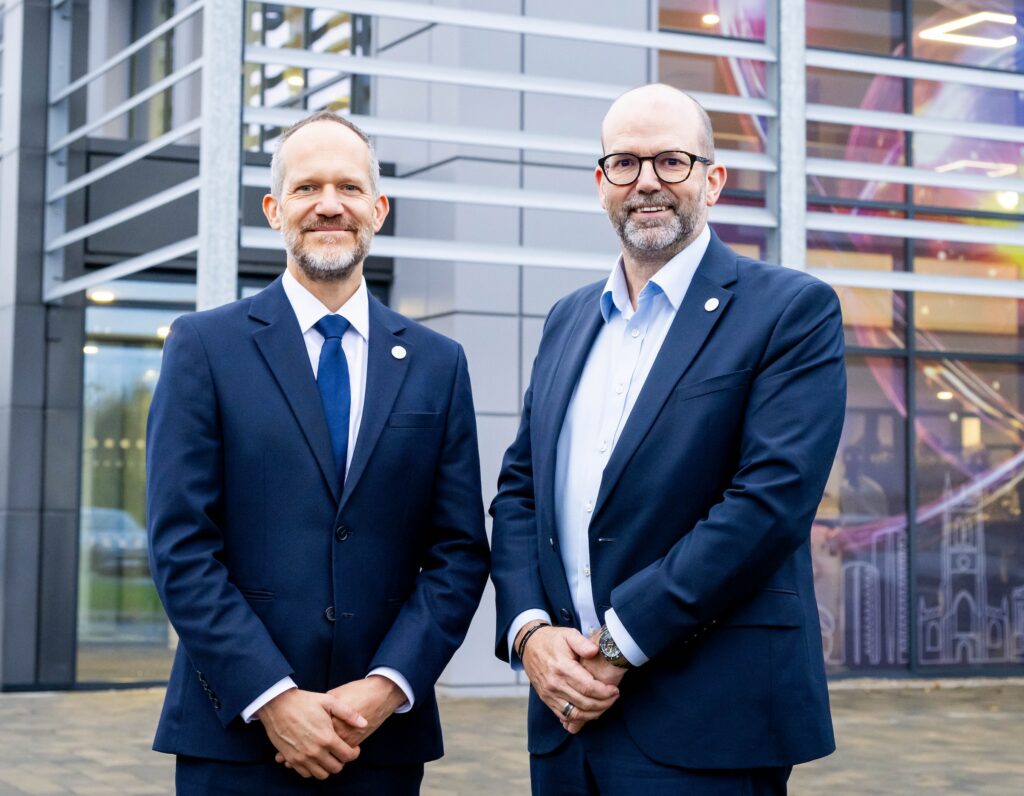
The INFINITY chief executive officer was speaking at NucCol’s Nuclear Supply Chain Summit 2026.
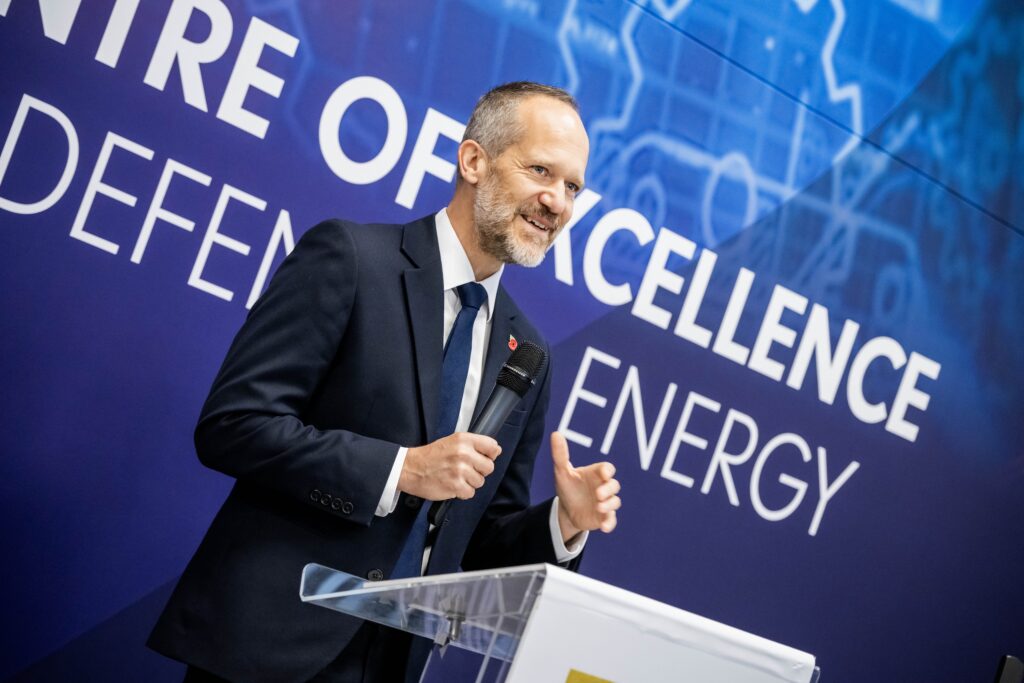
Prof. Jones featured on a summit panel about next-generation skills and technologies at the summit. His contribution focused on how changing manufacturing technologies will alter future workforce and skills requirements in the nuclear industry.
Alongside Prof. Jones on the panel were:
• Prof. Chris Bussell, Pro-Vice Chancellor (Industry & Enterprise), University of Derby
• Lynne Matthews, Founder, LM Consultants
• Dr Justin Steele-Davies, Academic Lead (Engineering), University of Derby
• Prof. Anish Roy, Associate Dean of Research & Innovation, Loughborough University
• Hayam Rashid, Apprentice, Rolls-Royce.
NucCol is a Derby-based specialist helping businesses strengthen supply chains for nuclear, clean energy and other highly regulated industries. It assesses manufacturers’ capabilities, identifies gaps and supports improvements so suppliers can meet demanding sector requirements and compete for work.
NucCol services include supply chain analysis, demand forecasting, manufacturing innovation, digital tools, recruitment and access to experienced specialists. It also delivers Fit for Nuclear, a programme helping manufacturers assess and improve their readiness to supply the nuclear industry.
NuCol uses networking events and industry intelligence to connect suppliers, buyers and stakeholders to support investment, competitiveness and UK manufacturing capacity.
Speaking after the event, Prof. Jones said: “Workforce planning must reflect future manufacturing methods – not just today’s processes. The role of tens of thousands of future workers could change as the way components are made changes.
“Training needs to prepare people for those evolving roles. Welding was one example discussed at NucCol: future welders may need different or broader skills as technologies such as power-beam welding develop.
“Existing methods will not deliver the capacity and timelines required by future programmes, making next-generation skills programmes essential. These skills pipelines are part of what we are creating with INFINITY.”
INFINITY’s six planned capabilities include power-beam welding. The programme represents a nationally significant opportunity to strengthen the UK’s capabilities in fission and fusion technologies while accelerating economic growth in one of the country’s most strategically important industrial regions.
INFINITY is planned to create more than 2,500 direct jobs and up to 15,000 indirect jobs across its supply chain, while providing training opportunities for more than 1,500 skilled workers annually.
The programme will also support the development of advanced manufacturing technologies that improve productivity and competitiveness across UK industry and help de-risk more than £150 billion of programmes over the coming decades.
The Nuclear Supply Chain Summit 2026 took place at the Reach Conference Centre in Derby. It brought together organisations across the nuclear supply chain to explore forthcoming projects, understand their requirements and identify new opportunities.